Natural Lighting Solutions: Exploring Different Types of Rooflights
Natural light serves a crucial function in the field of architectural design. It boosts the aesthetic quality of spaces while encouraging energy conservation. Various rooflight options, from traditional skylights to modern tubular designs, offer unique advantages. Each design meets specific needs and preferences, shaping both the interior setting and overall performance. Familiarizing oneself with these choices is important for those looking to successfully integrate natural light into their environments. What criteria should guide the decision when identifying the perfect rooflight solution?
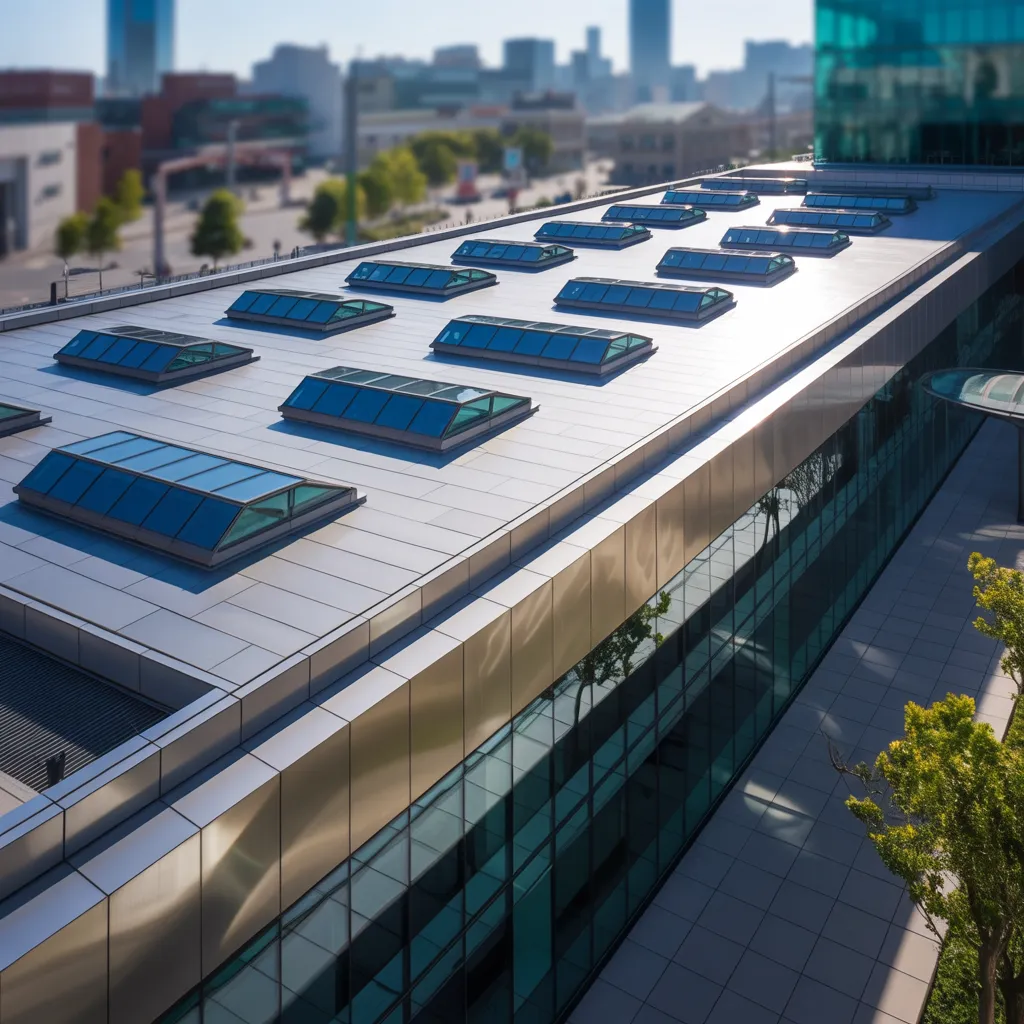
The Benefits of Natural Light in Architecture
Natural light profoundly impacts architectural design, as it not only illuminates spaces but also influences the mood and functionality of interiors. It cultivates a relationship between the interior spaces and the outdoors, supporting the health and comfort of inhabitants. Architects and designers leverage natural light to create dynamic spaces that evolve throughout the day, altering ambiance and enhancing visual interest.
Moreover, the utilization of natural light can decrease the need for artificial lighting, leading to lower energy use and expenditures. In residential settings, it can make spaces feel more spacious and inviting, while in commercial environments, it can boost output and inventiveness. The deliberate arrangement of windows and openings maximizes daylight access, maximizing the benefits of sunlight. Also, natural light can accentuate the true hues and surfaces of materials, enriching the overall visual character of a structure. Ultimately, the integration of natural light in architecture is fundamental for environmentally responsible and health-focused design.
Conventional Skylights: Timeless Elegance Combined with Functionality
Classic skylights deliver a fusion of classic aesthetics and everyday utility, elevating both the decorative value and energy effectiveness of a room. Their versatility allows for integration into various architectural styles, making them a favored option for both homeowners and design professionals. By harnessing the full potential of natural light, these features contribute to a more sustainable and inviting environment.
Design Versatility And Aesthetics
Skylights seamlessly blend classic elegance with functional design, providing an enduring aesthetic that complements any architectural style. Their adaptability enables incorporation into both classic and modern structures, making them a desirable selection for numerous applications. Available in various shapes, sizes, and materials, skylights can complement any design vision while maximizing natural light influx. They can be tailored with selections such as tinted or frosted glass, helping homeowners accomplish their ideal privacy and ambiance. Additionally, traditional skylights can serve as focal points, guiding the gaze upward and establishing a sense of openness. The seamless integration of form and function makes skylights a timeless choice, elevating interiors while providing the beauty of natural illumination.
Energy Saving Advantages
Adding skylights enhances both aesthetic appeal and energy efficiency significantly. Traditional skylights allow natural light to flood interior spaces, minimizing the need for artificial lighting during daylight hours. This decrease in energy usage can result in considerable savings on electricity costs. Furthermore, contemporary skylights are frequently engineered with energy-saving glazing that reduces heat loss during winter and heat gain during summer, contributing to a more stable indoor climate. Through capturing natural sunlight, these rooflights can lessen the demand on heating and cooling systems, thereby decreasing overall energy usage. As a result, conventional skylights not only improve the atmosphere of a room but also serve a vital function in advancing sustainable living via improved energy efficiency.
Modern Lanterns: Elegant Options for Natural Lighting
Contemporary lanterns provide a combination of aesthetic appeal and design flexibility, rendering them an ideal selection for maximizing daylight penetration in various spaces. Their elegant profiles and flexible configurations enable seamless incorporation into a variety of architectural styles while supporting greater energy efficiency. Therefore, these options not only brighten interiors but also encourage environmentally conscious living.
Design Versatility and Aesthetics
Architectural elegance in structural planning often relies on the natural blending of daylight, and lanterns act as refined choices for maximizing natural illumination. These flexible designs can be adapted to enhance diverse design sensibilities, from sleek modernism to timeless refinement. Their refined forms and varied configurations allow for artistic freedom, while concurrently addressing everyday demands. Lanterns can be strategically positioned to define perspectives, enrich spatial perception, or serve as centerpieces in a room. Additionally, the use of high-quality materials, such as durable glass and structural metal, ensures lasting beauty and structural integrity. By marrying form and function, today's architectural lanterns not only flood rooms with light but also enhance the general ambiance, creating atmospheres that are simultaneously warm and motivating.
Benefits of Energy Efficiency
While maximizing natural light in architectural spaces, energy efficiency presents itself as a notable advantage of incorporating lanterns. Such modern installations boost daylight availability, reducing reliance on artificial lighting during the day. By harnessing natural light, lanterns contribute to lower energy consumption, leading to decreased utility bills and a reduced carbon footprint. Their construction frequently features energy-efficient glazing to reduce heat loss, thereby enhancing the optimization of interior temperatures. Additionally, the strategic placement of lanterns can improve ventilation, encouraging a cleaner and healthier indoor atmosphere. As a result, modern lanterns not only elevate aesthetic appeal but equally function as an eco-friendly solution, seamlessly integrating energy efficiency with style and functionality, making them an increasingly popular choice in contemporary architecture.
Modern Tubular Rooflights: Space-Efficient Daylight Solutions
Cutting-edge tubular skylight systems present a functional solution for enhancing daylight in rooms with minimal roof availability. Engineered as sleek, cylindrical units, these rooflights seamlessly guide natural light from the rooftop into interior areas that would typically receive limited natural light. Their elegant profile allows for simple setup in various settings, including both homes and commercial properties.
The reflective inner surfaces of tubular skylights optimize the spread of natural light, ensuring even distribution throughout the space. This quality not only brightens rooms but also contributes to a more inviting atmosphere. Furthermore, tubular daylight systems are often energy-efficient, read here minimizing dependence on electric lighting throughout the day.
Coming in a range of sizes and styles, they can be customized to suit individual aesthetic and functional demands. By installing cutting-edge tubular rooflights, building owners can enjoy the benefits of natural light without sacrificing space, making them an ideal choice for smaller buildings and urban environments.
How to Pick the Ideal Rooflight for Your Space
Picking the most suitable rooflight for a room demands thorough evaluation of a number of factors to ensure perfect daylighting and performance. First, the orientation of the building plays a crucial role, as south-oriented rooflights can increase sunlight, while northward-facing options deliver steady, diffused light. Furthermore, the size and shape of the rooflight should align with the room's dimensions and aesthetic, guaranteeing a balanced integration.
The glazing type is equally significant; choices like self-cleaning or low-emissivity glass can improve energy performance and simplify upkeep. In addition, the purpose of the space plays a role in determining the right option; spaces that need natural airflow can gain advantages from opening rooflights. Finally, local planning requirements and environmental factors should be evaluated to verify compliance and structural resilience. By weighing up these considerations, one can identify a rooflight that optimally increases natural light and harmonises with the overall design of the space.
Key Things to Know Before Installing Rooflights
Prior to installing rooflights, several crucial aspects need to be addressed to achieve a seamless integration into the structure. Initially, an assessment of the roof's structural integrity is required, confirming that it can accommodate the extra weight and alterations. Local building regulations and planning permissions are also crucial; familiarising yourself with these requirements can help circumvent future problems.
Additionally, the orientation of the rooflight affects natural light absorption, so precise placement is essential for ideal lighting. Moreover, the choice of glazing is critical for long-term performance and insulation; selecting materials that minimize heat loss while maximizing light is fundamental.
Furthermore, possible water penetration needs to be managed through effective sealing and water management systems. These contributing factors supports the functionality and long-term reliability of rooflight installations, making careful planning essential for all installation work.
Maximising Energy Efficiency With Rooflights
Whilst many homeowners look for aesthetic upgrades via rooflights, their capacity to enhance energy efficiency is equally important. Rooflights permit natural light to fill interior spaces, minimising the need for artificial lighting during daylight hours. This deliberate utilisation of natural light can contribute to reduced electricity costs and a lower carbon footprint.
Additionally, current rooflight designs frequently feature high-performance glazing, which works to regulate internal temperatures by preventing heat loss throughout winter and avoiding overheating during summer. This heat-regulating capability results in a more comfortable living environment, reducing the need for heating and cooling systems.
Moreover, the combination of rooflights with intelligent systems can maximize energy efficiency. Intelligent mechanisms can regulate shading depending on sunlight conditions, ensuring optimal efficiency. By utilizing the power of natural light, homeowners can create a eco-friendly living space that not only elevates aesthetics but also encourages energy conservation and environmental awareness.
Frequently Asked Questions
How Do Rooflights Influence Interior Temperature Management?
Rooflights significantly impact indoor temperature regulation by enabling natural light to flow in, decreasing dependence on artificial lighting and heating. They are capable of sustaining a balanced thermal environment, boosting comfort and energy performance within the space.
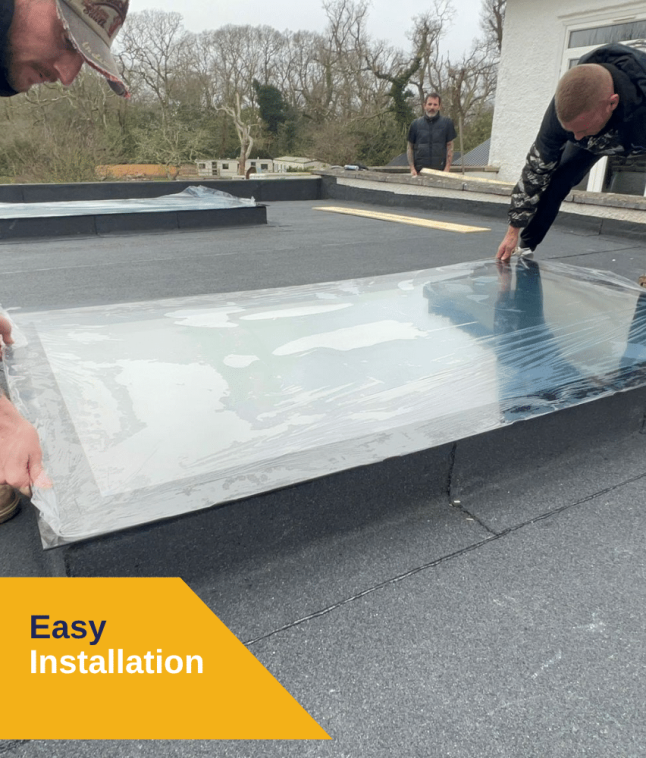
Can Rooflights Be Used on Flat Roofs?
Rooflights are genuinely appropriate for flat roofs, offering natural light and improving the aesthetic appeal. They require careful installation and maintenance to guarantee proper drainage and prevent leaks, establishing them as a preferred selection for contemporary architecture.
What Maintenance Do Rooflights Require?
Roof lights need routine upkeep, which includes cleaning the glazing to prevent dirt buildup, checking seals for any signs of leakage, looking for signs of damage, and making sure drainage is functioning correctly. This upkeep helps maintain performance and prolongs the lifespan of the installation.
Are Rooflights Suitable for Installation in Existing Structures?
Absolutely, rooflights are able to be fitted to existing buildings. A thorough structural assessment and careful planning are vital to guarantee that the installation is safe and compatible. It is recommended to use professional installation to manage potential challenges and fully harness the benefits of natural light.
What Are the Most Popular Materials Used in Rooflights?
Common materials used for rooflights include glass, polycarbonate, and acrylic. Each option delivers notable qualities, such as transparency, insulation properties, and durability, rendering them ideal for a range of architectural uses and design preferences.