Complete Building Solutions for All Project
Comprehensive building support are required for the efficient control of any construction project. They assist with seamless integration across all phases, ensuring good interaction and coordination among teams. This approach not only minimizes delays but also maximizes observance of budgets and timelines. As involved parties look for greater outcomes, understanding the various available services becomes increasingly key. What specific elements contribute to a project's triumph, and how can they be effectively implemented?
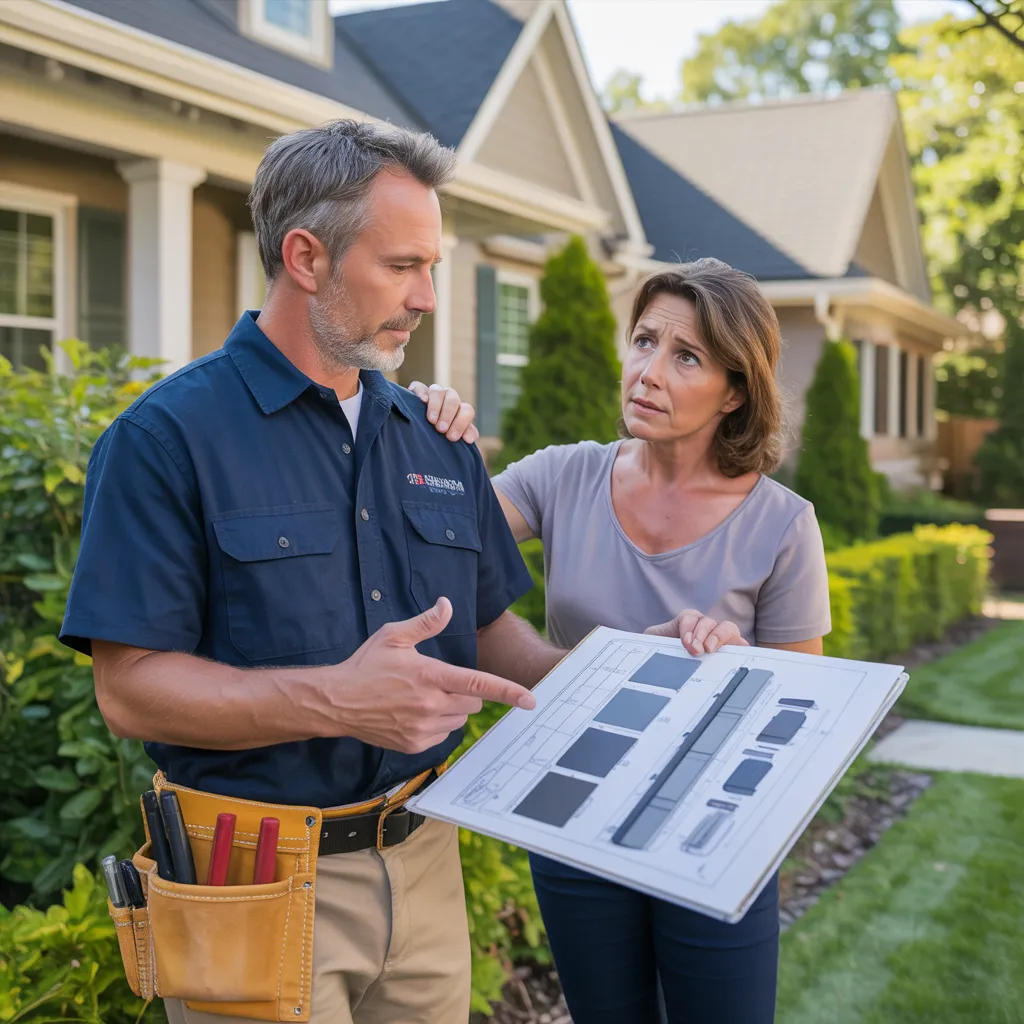
Why Thorough Construction Project Support Matter
In-depth building solutions are required because they expedite the building process, confirming that all project phases are integrated effectively. These services encompass a range of activities, including planning, design, and execution, which contribute to the overall success of a project. By coordinating various teams and resources, comprehensive construction services reduce the likelihood of misunderstandings and delays.
Additionally, they facilitate dedication to timeframes and fiscal constraints, tackling conceivable obstacles proactively. This degree of coordination fosters a collaborative environment, enabling stakeholders to converse openly and efficiently.
Additionally, comprehensive services guarantee compliance with local regulations and safety standards, reducing risks linked to construction activities. Overall, the integration of thorough construction services improves project quality, resulting in durable and eco-friendly outcomes. In an industry where precision matters, such services provide the necessary framework for attaining client satisfaction and meeting project goals.
Key Construction Services for Homeowners
Homeowners aiming to elevate their residential areas can gain substantial advantages from essential construction services tailored to their particular requirements. These services include a selection of services, including remodeling, renovations, and repairs, which allow homeowners to redesign outdated areas into up-to-date, efficient areas. Kitchen and bathroom remodels often deliver substantial financial gains, increasing both aesthetics and utility.
In addition, exterior access now services including roofing and siding repairs confirm the home remains safe and visually appealing. Landscaping and outdoor living modifications create inviting environments for rest and entertainment.
Homeowners can likewise benefit from eco-friendly improvements, which decrease utility bills while supporting ecological practices. By engaging skilled professionals, homeowners can navigate the complexities of construction projects with simplicity, assuring conformity to local regulations and timelines. Overall, these vital offerings enable property owners to fulfill their aspirations, ultimately boosting property appreciation and standard of living.
Essential Solutions for Commercial Construction
Across the terrain of commercial construction, proficient project coordination and excellent supplier relationships function as fundamental elements. These assistance programs promise that projects are accomplished on schedule and within financial parameters while sustaining high standards. Appreciating their significance can produce more triumphant construction conclusions.
Project Handling Competence
While navigating the complexities of commercial construction, skilled project oversight becomes crucial to guarantee on-time completion and budget adherence. Experienced project leaders play a pivotal role in coordinating various components of a construction project, including scheduling, asset distribution, and coordination among stakeholders. They utilize advanced methodologies to reduce potential issues and adapt to unforeseen challenges, ensuring that projects stay on schedule. By leveraging technology and performance metrics, project managers can improve decision-making processes, maximizing efficiency and productivity. Moreover, their ability to promote teamwork among contractors, architects, and clients is essential for aligning expectations and accomplishing project goals. Ultimately, robust project oversight serves as the foundation of successful commercial construction initiatives, driving projects from planning to completion with precision.
Quality Material Sourcing
High-quality material acquisition represents a crucial factor in the commercial construction landscape, directly affecting project durability and overall achievement. Efficient procurement requires choosing high-quality materials that satisfy specific project needs while adhering to budget limitations. This undertaking often necessitates establishing strong partnerships with dependable vendors to ensure prompt shipment and uniformity in quality. Moreover, comprehending local rules and sustainability practices serves an important function in sourcing choices. By emphasizing quality materials, construction companies can enhance structural performance and minimize long-term maintenance expenses. In conclusion, an emphasis on quality material sourcing both supports a project's short-term objectives but also advances its longevity and resilience within a competitive marketplace.
Finding the Optimal Construction Services for Your Project?
When selecting construction services, it is essential to establish project specifications clearly to guarantee alignment with goals. Evaluating the experience of potential service providers further enhances the probability of a successful result. Careful consideration of these elements can lead to a more streamlined and effective construction process.
Specify Project Requirements Transparently
Clearly specifying project requirements is essential for choosing the most appropriate construction services. This involves identifying specific project objectives, timelines, budgets, and necessary materials. A well-crafted scope of work helps confirm that all stakeholders have a shared grasp of expectations. Additionally, listing any regulatory requirements or site-specific conditions can stop potential delays and misunderstandings during the construction process. By setting clear criteria early on, project managers can effectively convey their needs to potential service providers, allowing for more informed decision-making. Ultimately, thorough detailing of project requirements not only streamlines the selection process but also sets the foundation for successful project execution and lessens the risk of costly revisions later on.
Review Service Provider Capabilities
How can construction supervisors ensure they select the most qualified construction contractors? Assessing the qualifications of potential service providers is essential. This approach starts with reviewing each contractor's body of work, which displays past projects and relevant experience. Project managers should also verify licenses, certifications, and insurance to verify adherence with industry requirements. Gathering recommendations and client testimonials can provide understanding into a contractor's reliability and craftsmanship. Furthermore, performing interviews enables construction supervisors to evaluate communication skills and comprehension of job specifications. Comparing quotes not only on price but also on scale, timelines, and standards can further assist in selecting providers. In the end, a thorough evaluation of contractor qualifications establishes the foundation for effective job completion and satisfaction.
Enhancing Your Construction Project Efficiently
To achieve efficiency in construction projects, it is vital to adopt a structured methodology that minimizes delays and maximizes resource allocation. Clear dialogue among team members is critical, guaranteeing that everyone is synchronized with project goals and timelines. Employing project management software can enhance workflows, enabling for real-time updates and task tracking.
Additionally, executing a phased approach enables teams to prioritize specific project segments, minimizing the likelihood of overlapping tasks that can result in bewilderment. Regular status evaluations and refinements based on quality measurements help identify emerging obstacles promptly.
Establishing clear roles and responsibilities fosters accountability, pushing teams to achieve deadlines without compromising quality. Furthermore, participating in active hazard prevention readies teams for unexpected obstacles, allowing swift responses that keep projects on track. By combining these strategies, construction projects can attain greater efficiency, reducing costs and improving overall outcomes.
Developing Your Construction Project with Sustainability and Excellent Standards
Adopting eco-friendly approaches in construction not only enhances project quality but also minimizes environmental impact. By incorporating sustainable materials and techniques, construction companies can greatly reduce waste and energy consumption. This approach not only satisfies compliance standards but also attracts environmentally conscious clients.
Capitalizing on green materials, such as bamboo or recycled metals, promotes durability while decreasing carbon footprints. Additionally, applying energy-efficient technologies, like solar panels and advanced insulation, ensures long-term operational savings and improved building performance.
Engaging green-certified professionals further elevates project standards, ensuring conformance with environmental benchmarks.
In addition, implementing a waste management plan during the construction phase can facilitate operations, cutting costs and environmental degradation.
In the end, emphasis on sustainable building practices fosters high-quality projects that connect with both stakeholders and the community, forming a tradition of accountable construction methods. Such devotion not only improves the standing of building companies but also advances a healthier planet.
Popular Asked Questions
What Are the Standard Schedules for Building Projects?
Construction project timelines generally vary considerably, usually spanning from a few months to several years. Elements affecting timeframe include project magnitude, difficulty level, permitting processes, weather conditions, and resource availability, determining overall completion time.
What Should I Do About Surprising Construction Interruptions?
To tackle unexpected construction delays, one should evaluate the circumstances, communicate with stakeholders, adjust timelines, and explore solutions. Adaptability and strategic foresight can diminish effects and keep the project on track despite setbacks.
What Certifications Must Be Acquired for Construction Undertakings?
Multiple authorizations are necessary for building operations, covering building, electrical, plumbing, and zoning permits. The exact requirements are influenced by local regulations, project scope, and location, demanding consult with local authorities for conformity and guidance.
What Approaches Are Used to Oversee Construction Budgeting During Construction?
Project budgeting is managed through consistent tracking of expenses, modifying forecasts based on real expenditures, and maintaining communication among stakeholders. This ensures adherence to budget objectives and prompt detection of possible budget excesses or cost reductions.
What Safety Standards Are Adopted on Work Sites?
Construction sites adopt diverse safety measures, featuring ongoing training initiatives, use of safety equipment, clear signage, facility evaluations, response procedures, and adherence to legal requirements to decrease exposure to danger and copyright the protection and health of workers.